
PPC Landing page Guide
What is a PPC Landing Page?
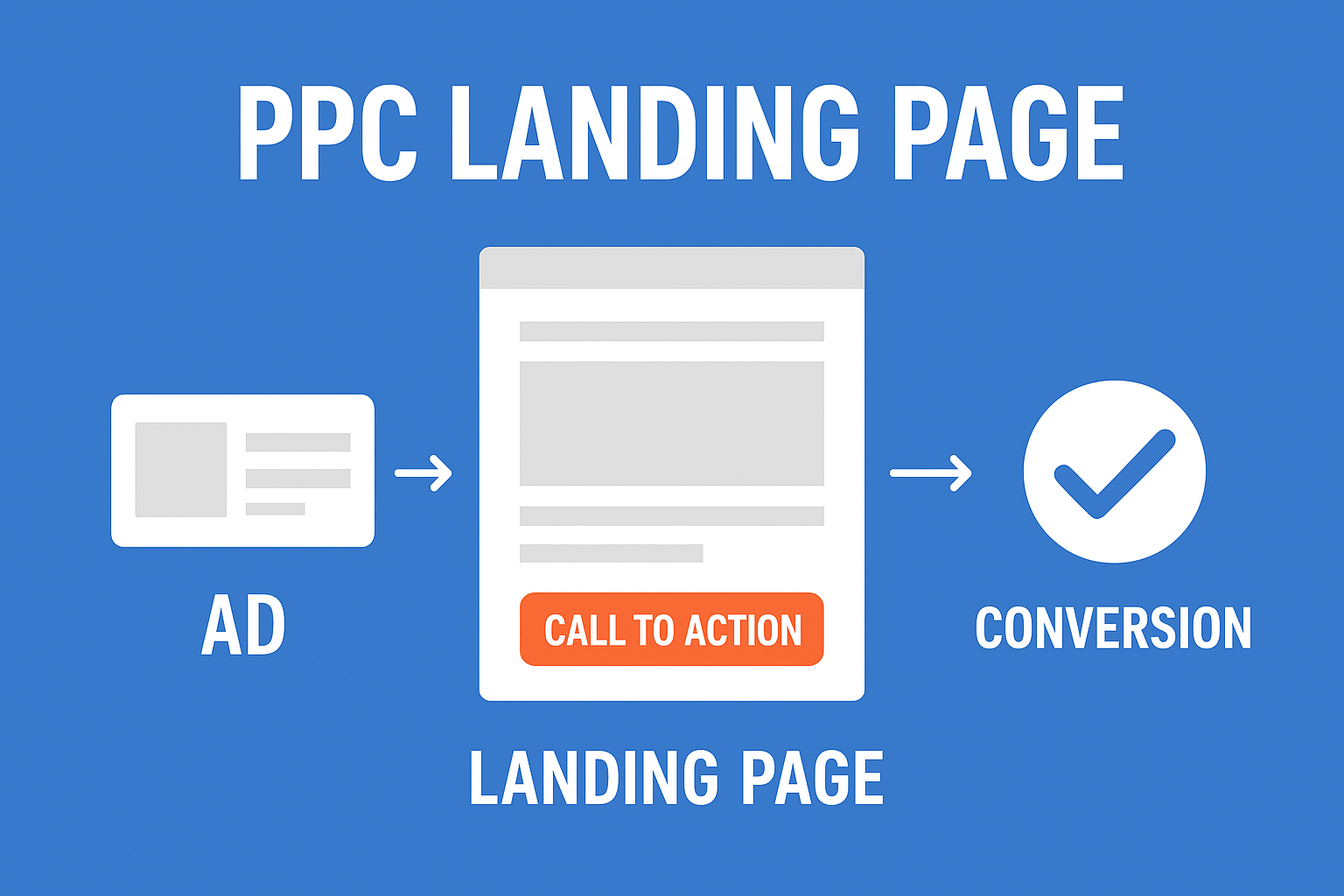
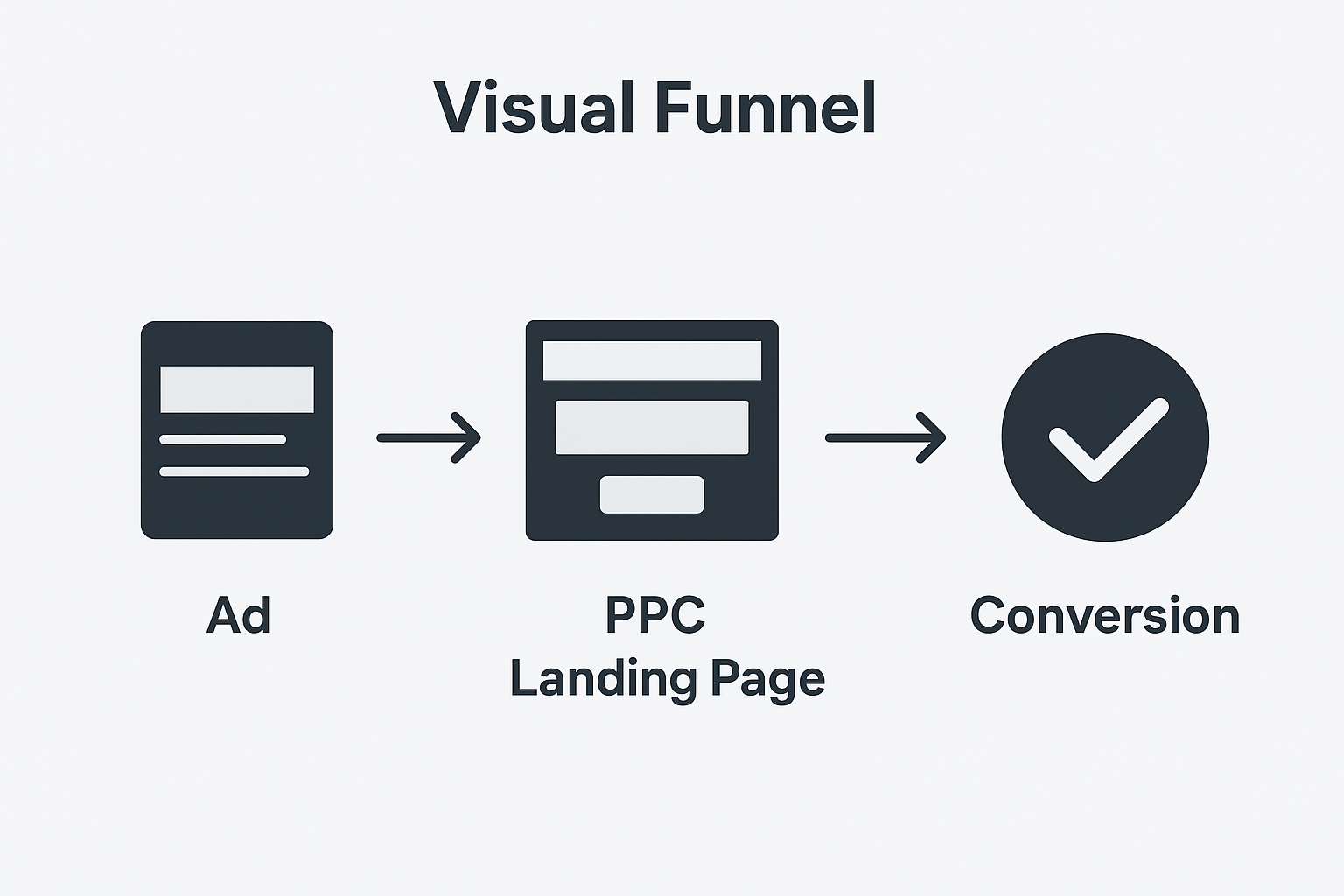
A PPC landing page is a dedicated web page designed specifically to receive and convert traffic from pay-per-click ads. Unlike a homepage or SEO blog page, a PPC landing page focuses on one offer, one audience, and one clear call-to-action. Businesses using optimized PPC landing pages see 2–5x higher conversion rates compared to sending ad traffic to a homepage. This is because every element of the page, from headline to button placement; is built to match user intent and guide visitors toward a single action.
1. Why PPC Landing Pages Make or Break Your Campaign
Running ads without a proper landing page is like paying for a billboard that points customers to a crowded mall instead of your store. You might get attention, but it rarely turns into sales.
Quick Stat: According to Unbounce, businesses that use dedicated landing pages convert 65% more leads than those sending traffic to a homepage.
The Pain Point: Most advertisers waste money by sending clicks to pages full of distractions, navigation menus, unrelated offers, and long paragraphs that don’t match the ad.
The Promise: In this guide, you’ll learn proven frameworks, see real-world examples, and even access free templates to create high-converting PPC landing pages.
Deeper Value:
- You’ll understand why relevance between your ad and page boosts quality score and lowers CPC.
- You’ll see how focused pages reduce bounce rates and improve ROI.
- You’ll learn how small tweaks (like removing navigation or aligning copy with search intent) can double conversions.
2. What is a PPC Landing Page (and How It Differs From Other Landing Pages)
Not all landing pages are created equal. A lot of wasted ad spend comes from sending traffic to the wrong type of page. Here’s how different pages compare:
- SEO Landing Pages: Designed to rank in Google, they often have long-form content, keyword clusters, and multiple CTAs. Great for organic search but not ideal for paid traffic since they force the visitor to scroll and decide where to click.
- Homepages: Think of these as your “digital lobby.” They welcome everyone: customers, job seekers, press, prospects; but because they’re so broad and distracting, they don’t move paid visitors toward one clear action. Every extra menu item or link is a potential leak in your funnel.
- PPC Landing Pages: These are like one-on-one sales conversations. They strip away distractions, keep the message tight, and focus only on the promise you made in the ad. Each headline, image, and button has one purpose: convert the click.
✅ Quick PPC Readiness Checklist:
- Does the headline exactly match the ad keyword or promise?
- Is there only one call-to-action on the page?
- Is it mobile-optimized (touch-friendly buttons, no tiny text)?
- Does it load in under 3 seconds?
If you answered yes, you’re closer than 80% of advertisers.
Deeper Value: The magic of PPC landing pages isn’t just design, it’s decision simplicity. People clicking ads are already in “solution mode.” If they have to hunt, scroll, or think too hard, they bounce. By eliminating choices and spotlighting the next step, you reduce cognitive load and increase conversions. That’s why the best advertisers don’t “win clicks,” they win clarity.
Stop Wasting Ad Spend. Get High-Converting Pages with Henry Bell Today.
3. The High-Performance PPC Landing Page Framework
Every high-performing PPC landing page follows a structure rooted in psychology. It’s less about pretty design and more about guiding human behavior. Here’s the proven framework:
Above-the-Fold Elements
- Headline: Must mirror the ad copy. If someone clicks “Get a Free Roof Inspection,” the headline should immediately confirm they’re in the right place.
- Subheadline: A single sentence that makes the value obvious. Example: “Licensed contractors, 24-hour response, no upfront cost.”
- Hero Image/Video: Show the offer in action (a contractor inspecting a roof, a demo of software, or a happy customer). Humans trust what they can see.
- Primary CTA: High-contrast button with action text. Avoid vague “Submit,” use “Get My Free Inspection” or “Reserve My Spot.”
Message Match
The closer the ad and page copy align, the higher the trust. Think of it as a handshake—if you promised one thing in the ad but deliver something else on the page, trust is broken.
👉 Example: Ad says “Free Consultation for Invisalign Braces” → Page headline should read “Book Your Free Invisalign Consultation Today.” Not “Orthodontic Services.”
Trust Builders
- Social Proof: Testimonials, reviews, before/after photos, or case studies.
- Authority Signals: Logos of clients, certifications, awards.
- Risk Reducers: Guarantees, refund policies, or “no spam” notes near forms. These remove friction and fear.
Conversion Drivers
- Short Forms: Fewer fields = more leads. Only collect what you absolutely need.
- CTA Placement: Place your main button above the fold and after each major section. Don’t make people scroll endlessly to act.
- Urgency Triggers: Deadlines (“Offer ends Friday”), scarcity (“Only 3 spots left”), or seasonal hooks.
- Visual Cues: Arrows, whitespace, or images that subtly point the eye toward your CTA.
Deeper Value: A high-converting PPC landing page isn’t about “persuading harder.” It’s about removing friction. If you anticipate and answer objections before the visitor has to think about them, the path to conversion feels natural. The best pages feel like they’re reading the visitor’s mind.sked, highlight benefits over features, and create momentum that naturally leads to conversion.